Management: Art, Science, or Profession? 🤔
🎨 Art
"Getting things done through people"
- Creativity & Innovation
- Individual approach
- Requires talent & dedication
- Initiative & intelligence
 Example: Shah Rukh Khan managing Red Chillies Entertainment - creative vision, individual style, emotional intelligence
🔬 Science
"Systematic & Universal Principles"
- Systematic decision-making
- Universal processes (POLC)
- Evidence-based outcomes
- Accepted principles
 Example: TCS using data analytics for project management - systematic, measurable, repeatable processes
👔 Profession
"Specialized Knowledge & Ethics"
- ❌ No mandatory degree
- ❌ No licensing required
- ❌ No standard code of ethics
- ❌ Entry not restricted
Management is Both Art & Science! 🎯
Modern managers need to be "Scientific Artists" - combining creativity with systematic approaches.
 Real Example: Sundar Pichai at Google
Art: Creative vision for Android, individual leadership style, emotional intelligence
Science: Data-driven decisions, systematic product development, universal management principles
- The Science Discovers: What works and why (data, research, principles)
- The Art Develops: How to apply it creatively in unique situations
- Best Managers: Use scientific methods with artistic flair
Management vs Administration 🏢
Often confused, but they have different roles in organizations:
| Aspect | Management | Administration |
|---|---|---|
| Function | Execution & Implementation | Policy Making & Planning |
| Level | Middle & Lower levels | Top level only |
| Nature | Doing function | Thinking function |
| Focus | Leading & Organizing | Planning & Controlling |
 Example: IT Company
Administration: Board decides to enter AI/ML services market
Management: Project managers execute AI projects, hire data scientists, deliver solutions to clients
The Three Essential Managerial Skills 🛠️
🔧 Technical Skills
Job-specific expertise
- Specialized knowledge
- Tools & techniques
- Methods & procedures
- Most important for first-line managers
🤝 Human Skills
Working with people
- Communication
- Motivation
- Team building
- Needed at ALL levels
 Example: Satya Nadella's empathetic leadership transformed Microsoft's culture
🔮 Conceptual Skills
Big picture thinking
- Systems thinking
- Strategic planning
- Problem analysis
- Critical for top managers
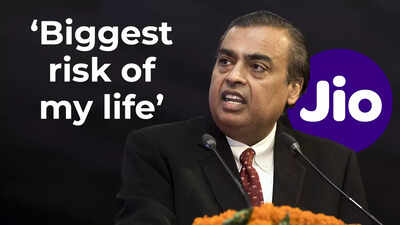 Example: Mukesh Ambani envisioning Jio's impact on Digital India
Skills by Management Level 📊
Different management levels require different skill emphasis:
First-Line Managers
Heavy Technical Skills
- 70% Technical
- 25% Human
- 5% Conceptual
 Example: Software development team lead at Infosys
Middle Managers
Balanced Approach
- 40% Technical
- 40% Human
- 20% Conceptual
 Example: Product manager at Flipkart
Top Managers
Strategic Focus
- 15% Technical
- 35% Human
- 50% Conceptual
 Example: CEO of Paytm
Henry Mintzberg's Discovery 🔍
Mintzberg studied what managers actually do (not what they should do) and found 10 distinct roles grouped into 3 categories:
- 🤝 Interpersonal Roles: Building relationships and connections
- 📢 Informational Roles: Gathering and sharing information
- ⚡ Decisional Roles: Making choices and taking action
 Think of it like this:
Just like a cricket captain has multiple roles - motivating players (interpersonal), analyzing opponent strategies (informational), and deciding field positions (decisional)!
 Real Example: Ritesh Agarwal (OYO founder) plays all these roles - networking with hotel owners, gathering market data, and making strategic decisions about expansion.
🤝 Interpersonal Roles
These roles come from a manager's formal authority and involve building relationships:
1. Figurehead 👑
Performing ceremonial and symbolic duties
 Example: Narayana Murthy greeting new Infosys employees, presenting awards at company events, representing Infosys at industry conferences
2. Leader 🎯
Motivating, training, and guiding team members
 Example: A tech team lead at TCS conducting daily standups, mentoring junior developers, setting team goals and motivating during challenging projects
3. Liaison 🔗
Building networks inside and outside the organization
 Example: A product manager at Zomato coordinating with restaurant partners, government officials for licenses, and other teams within Zomato
📢 Informational Roles
Managers spend significant time gathering, processing, and sharing information:
4. Monitor 👁️
Scanning environment for relevant information
 Example: A startup founder in Bangalore monitoring competitor activities, tracking industry trends, reading tech blogs, analyzing user feedback on social media
5. Disseminator 📤
Sharing information with team members
 Example: A project manager at Wipro sharing client requirements with developers, communicating policy changes from HR, updating team on project status
6. Spokesperson 🎤
Representing organization to external stakeholders
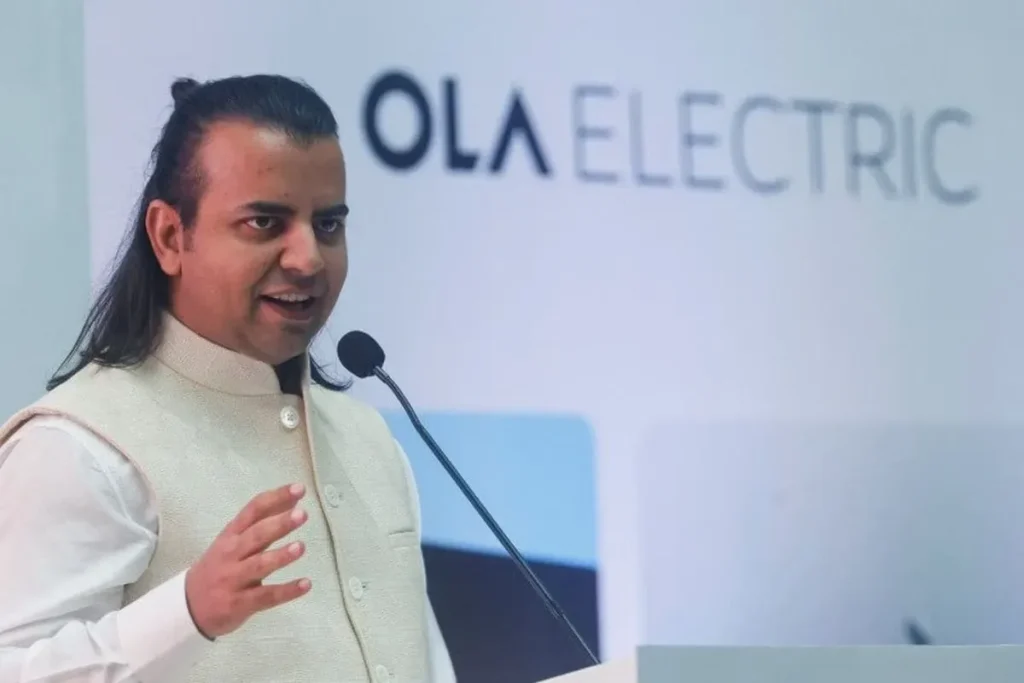 Example: Bhavish Aggarwal (Ola CEO) speaking to media about electric vehicles, presenting to investors, addressing government officials about transportation policies
⚡ Decisional Roles
The most critical roles - where managers examine alternatives and make choices:
7. Entrepreneur 🚀
Initiating change and innovation
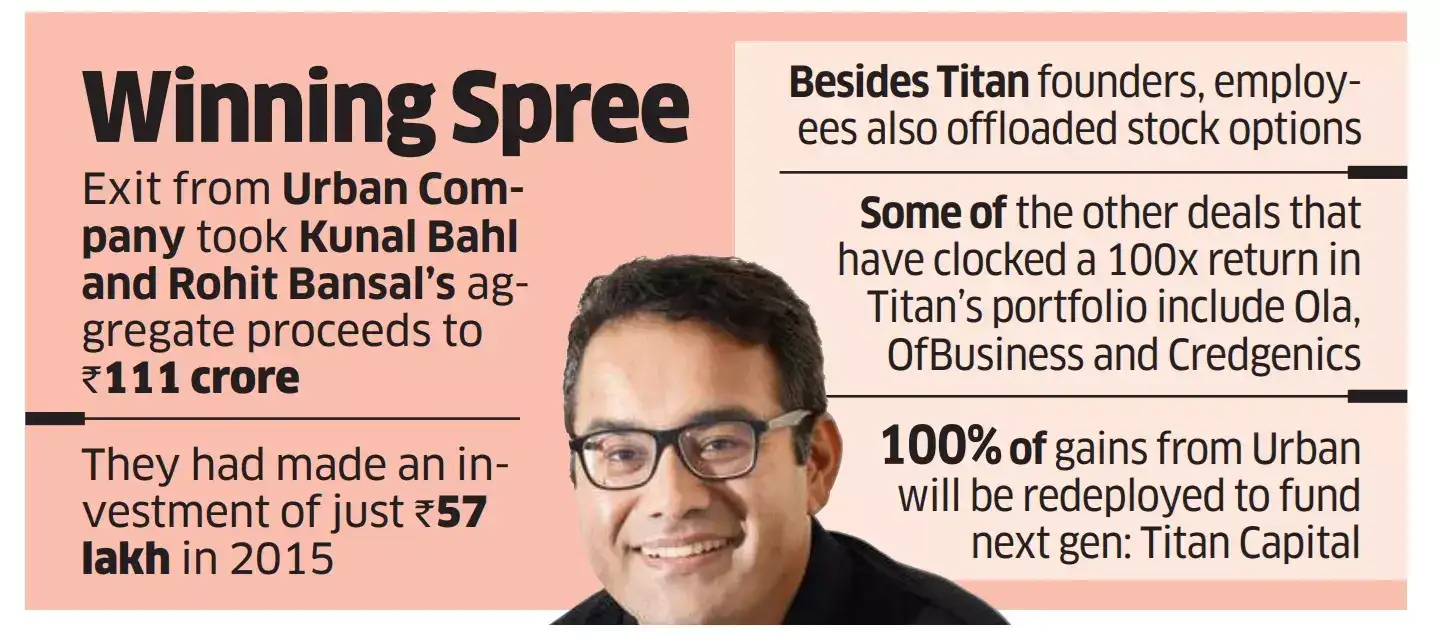 Example: Kunal Bahl (Snapdeal) constantly exploring new e-commerce opportunities, launching new features, initiating partnerships with logistics companies
8. Disturbance Handler 🔥
Resolving unexpected problems and conflicts
 Example: During COVID-19, Zomato's management handled restaurant closures, delivery challenges, safety protocols, and customer concerns
9. Resource Allocator 💰
Deciding how to distribute resources
 Example: A department head at Infosys deciding budget allocation for different projects, assigning experienced developers to critical modules, distributing training opportunities
10. Negotiator 🤝
Representing organization in major negotiations
 Example: Tata Motors executives negotiating with suppliers for electric vehicle components, bargaining with unions for favorable working conditions
Putting It All Together: A Day in a Manager's Life 📅

Let's follow Priya Sharma, IT Manager at a Pune-based fintech startup:
9:00 AM - Team Standup
Leader Role: Motivating team, setting daily goals
Monitor Role: Gathering project status updates
10:30 AM - Client Meeting
Spokesperson Role: Presenting project progress
Negotiator Role: Discussing timeline changes
2:00 PM - Budget Review
Resource Allocator Role: Deciding team training budget
Entrepreneur Role: Planning new AI feature
4:00 PM - Crisis Management
Disturbance Handler Role: Resolving server outage
Disseminator Role: Updating stakeholders