| Principle | Description |
|---|---|
| 1. Scientific Study | Scientifically study each part of worker's task and develop the best method, replacing old rule of thumb |
| 2. Scientific Selection | Scientifically select workers and train them to perform tasks using the scientifically developed method |
| 3. Full Cooperation | Cooperate fully with workers to ensure they use the proper method |
| 4. Work Division | Divide work and responsibility - management plans using scientific principles, workers execute accordingly |

Schools of Management
Management Theory: Classical, Neo-Classical & Modern Approaches
2.1 Schools of Management

Management practice has existed for several thousand years. The great pyramids of Egypt were the result of efforts by numerous architects, engineers, and tens of thousands of laborers working together for fifteen years.
Historical Example: Egyptian pyramids were built from thousands of stone blocks, each weighing 2-3 tons, carried from miles away and cut to size within fractions of an inch.
Development of management as a field of knowledge emerged in recent decades with the widespread need to coordinate efforts of large numbers of people.
Management Theory Approaches

Historical Approaches
- Classical viewpoint - emphasizes finding ways to manage work and organizations more efficiently
- Behavioral viewpoint - focuses on human elements
- Quantitative viewpoint - mathematical and statistical methods

Four Milestone Responses
- Scientific management theory by Frederick Taylor
- Administrative theory by Henry Fayol
- Human Relations Theory by Elton Mayo
- Motion study by Frank Gilbreth

Scientific Management
Frederick Taylor's Revolutionary Approach
2.2 Scientific Management

Scientific management is an attempt to determine and apply facts and laws of gaining efficiency without leaving anything to chance.
"Scientific Management is knowing exactly what you want people to do and knowing that they do in the best and the cheapest way possible." - F.W. Taylor
An approach within classical management theory that emphasizes the scientific method of work to improve worker productivity through precise objective measurement.
2.3 Frederick Winslow Taylor (1856-1915)

Objectives of Scientific Management

Efficiency Goals
- Find and eliminate causes of waste
- Increase production without capital investment
- Reduce cost of production
- Ensure timely delivery of goods
- Improve product quality

Worker & Social Goals
- Protect interests of owners and labor
- Ensure higher wages with reduced labor cost
- Provide incentives to efficient workers
- Improve working conditions
- Increase worker standard of living
- Minimize labor problems
Features & Elements of Scientific Management

Key Features
- Combination of varied elements, not a single approach
- Group effort within organization towards common objective
- Based on scientific laws and principles, not casual observation
- Dynamic system that adapts and evolves
Essential Elements: Scientific task determination • Time and motion studies • Standardization • Scientific selection and training • Organizational modification • Mental revolution
Followers and Extensions of Taylor's Work

Henry L. Gantt (1861-1919)
- Pioneered statistical production control
- Developed performance charts for operatives, machines, and processes
- Public recognition system for good/bad work
- Supervisor bonuses based on subordinate output
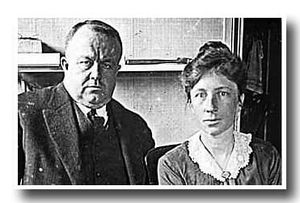
Frank & Lillian Gilbreth
- Investigated principles of human body movement
- Complete system for measuring and classifying basic body motions
- Identified sources of fatigue to eliminate tiring movements
- Developed three-tier employee development approach
2.3.9 Problems with Scientific Management
| Criticism Source | Main Concerns |
|---|---|
| By Employers | Expensive to implement • Loss due to reorganization • Not suitable for small enterprises • Difficulty finding trained personnel |
| By Workers | Separation of planning from doing • Loss of worker initiative • Speed-up of work • Weakens trade unions • Employee exploitation |
| By Psychologists | Mechanical nature • Creates monotony • Abuse of wage incentives • Ignores social and psychological factors |

🏭 Scientific Management: Building Efficiency Like a Machine


Looking Forward
From Scientific Management to Modern Leadership